Where ecoPi is used

Applications

From biodiversity monitoring to environmental education – a look at projects where ecoPi is at work.
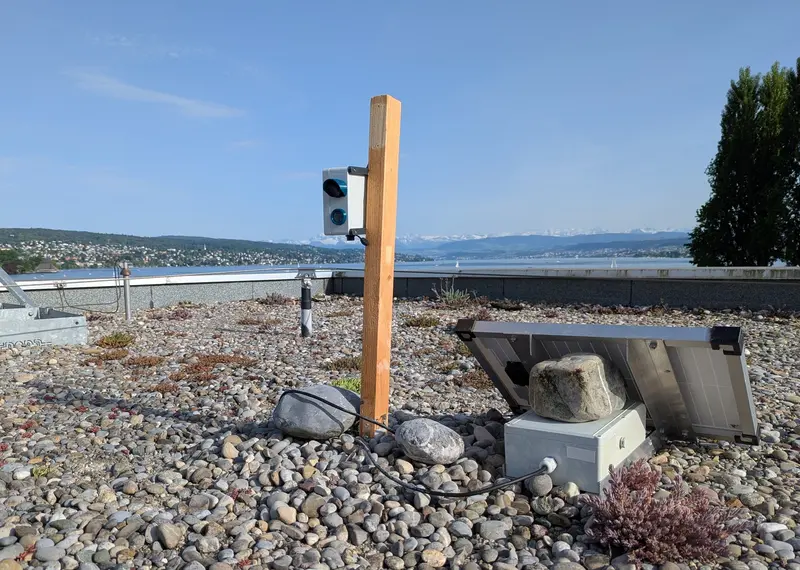
Biodiversity monitoring

  • Hard-to-reach or only seasonally accessible areas: once installed, ecoPi allows flexible remote reprogramming.
  • Disturbance-sensitive species: thanks to its low maintenance needs, continuous monitoring for up to a year is possible.
  • Detecting specific species: recordings can be listened to, validated, and documented directly in the ecoPi dashboard.
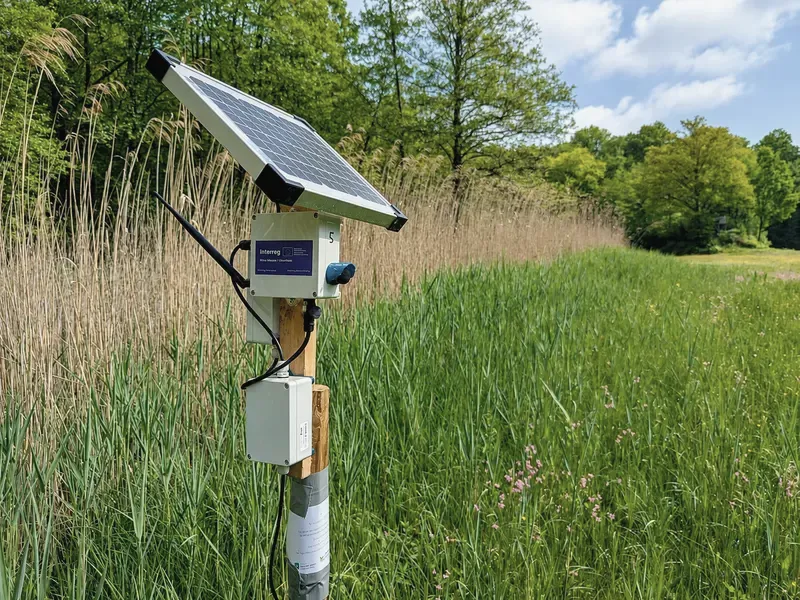
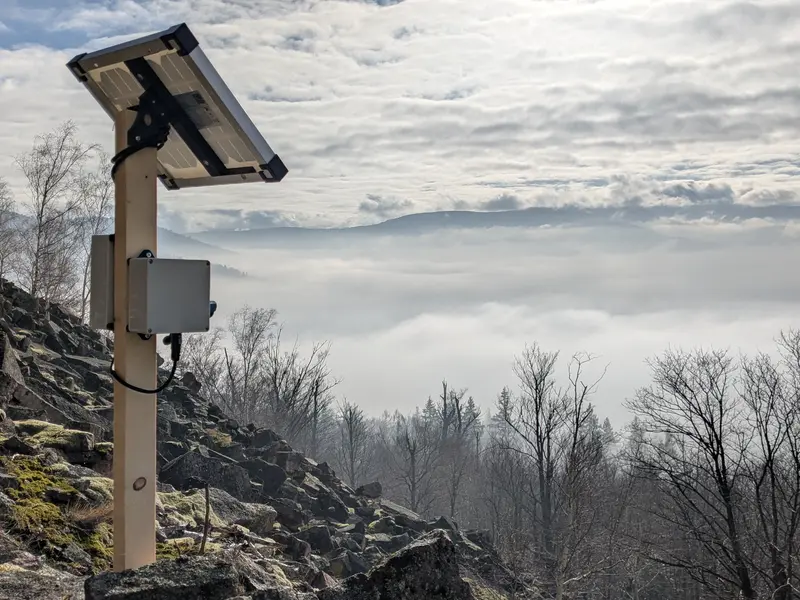
ecoPi-Rekorder im Feuchtgebiet

Project examples

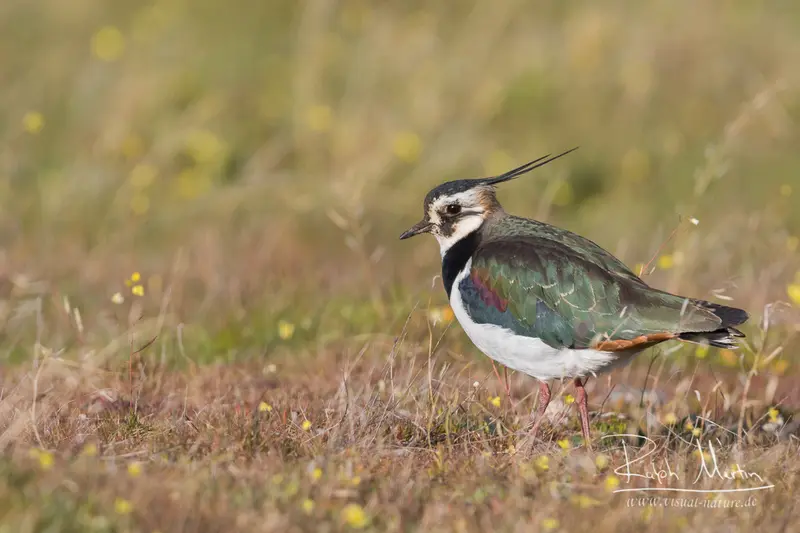
Kiebitzhabitate Baden-Württemberg

Strengthening lapwing territories in Baden-Württemberg

→ Low-disturbance continuous monitoring in newly established protection zones

  • Northern lapwing – call
Feuchtgebiete am Oberrhein

Restoring wetlands on the Upper Rhine

→ Long-term acoustic monitoring combined with abiotic sensors

  • Green sandpiper – call
  • Common grasshopper warbler – song amid dawn chorus
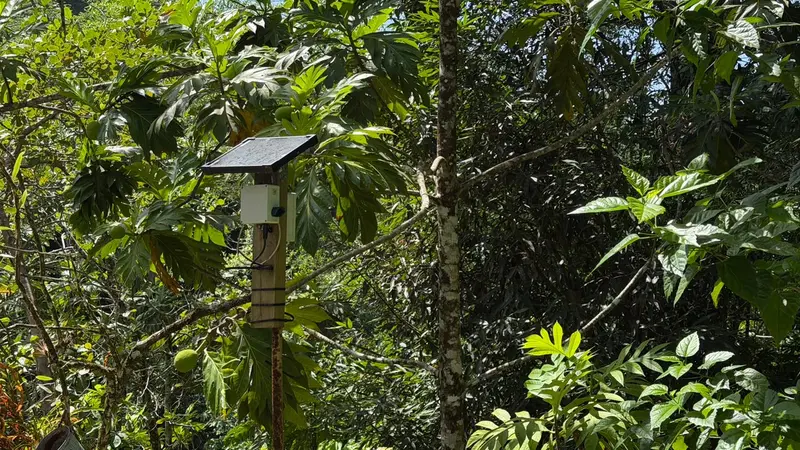
Regenwald auf Trinidad

Searching for rare species in the rainforest of Trinidad

→ Continuous monitoring to detect rarities and teach the AI new species

  • Trinidad piping guan – wingbeat
  • Trinidad piping guan – song

Wildlife management

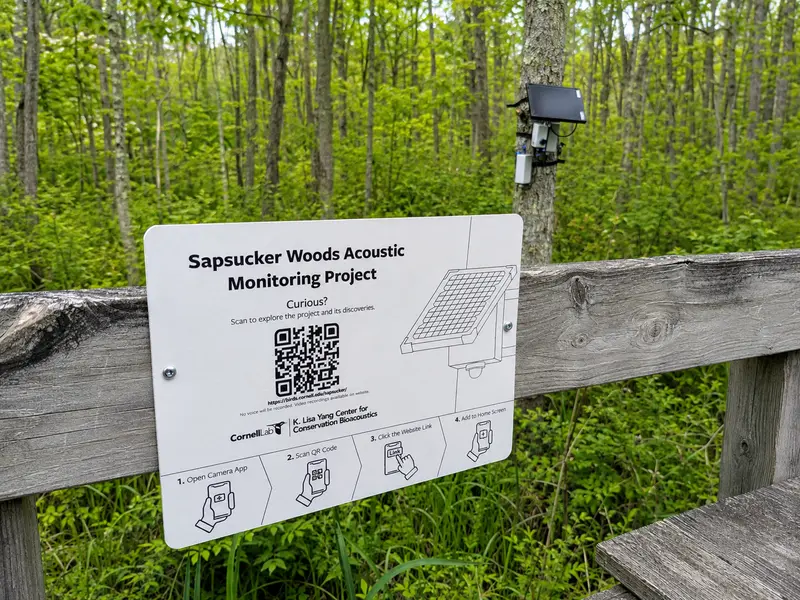
  • Fast response needed: live data enables a timely reaction to species detections, e.g. for mowing schedules or visitor management.
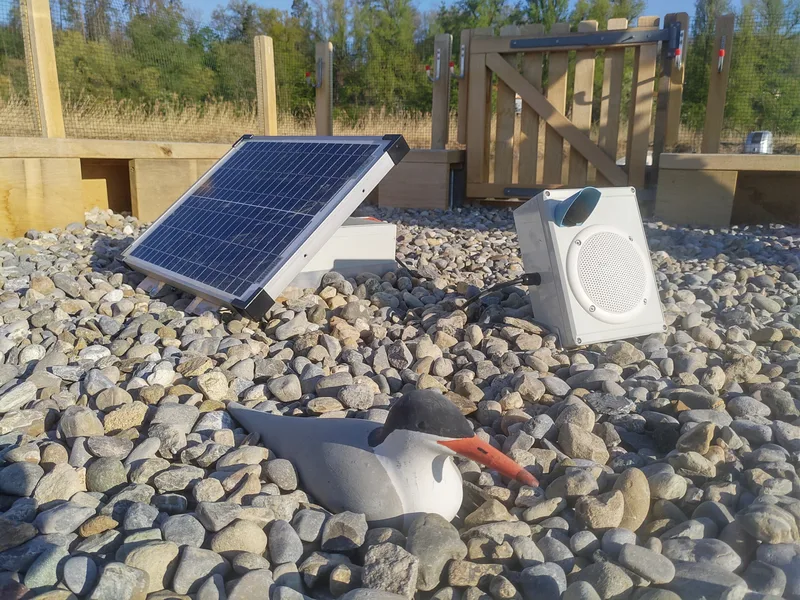
  • Project-specific adaptations: the modular ecoPi can be flexibly extended, e.g. with speakers and abiotic sensors.
  • Evaluating the success of measures: additional sensors such as camera modules enable targeted effectiveness monitoring.
ecoPi-Rekorder im Auerhuhn-Habitat

Project examples

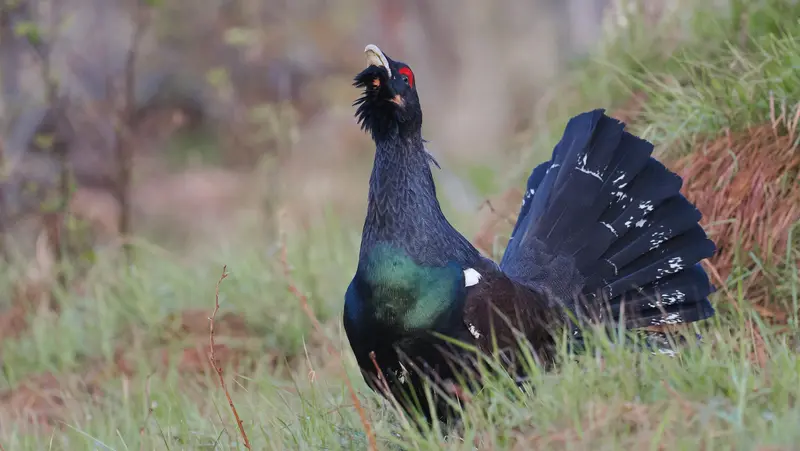
Auerhahn im Nationalpark Bayerischer Wald

Capercaillie management in Bavarian Forest National Park

→ Visitor management through acoustic monitoring of lekking sites

  • Capercaillie – lek song
  • Eurasian lynx – call
Wachtelkönig im Wurzacher Ried

Corncrake monitoring in the Wurzacher Ried

→ Coordinating mowing schedules through live acoustic monitoring

  • Corncrake – song
Flussseeschwalbe in der Schweiz

Reintroducing the common tern in Switzerland

→ Acoustic attraction and camera-based success monitoring at breeding sites

  • Common tern – call

Environmental education

  • Public outreach: charts, visualizations and tables from the ecoPi dashboard can easily be exported for reports, articles or websites.
  • Real-time display: via the REST API, monitoring data can be shown live on external websites or displays.
  • Environmental education: acoustic biodiversity data can be made experienceable for visitors and used for teaching purposes.
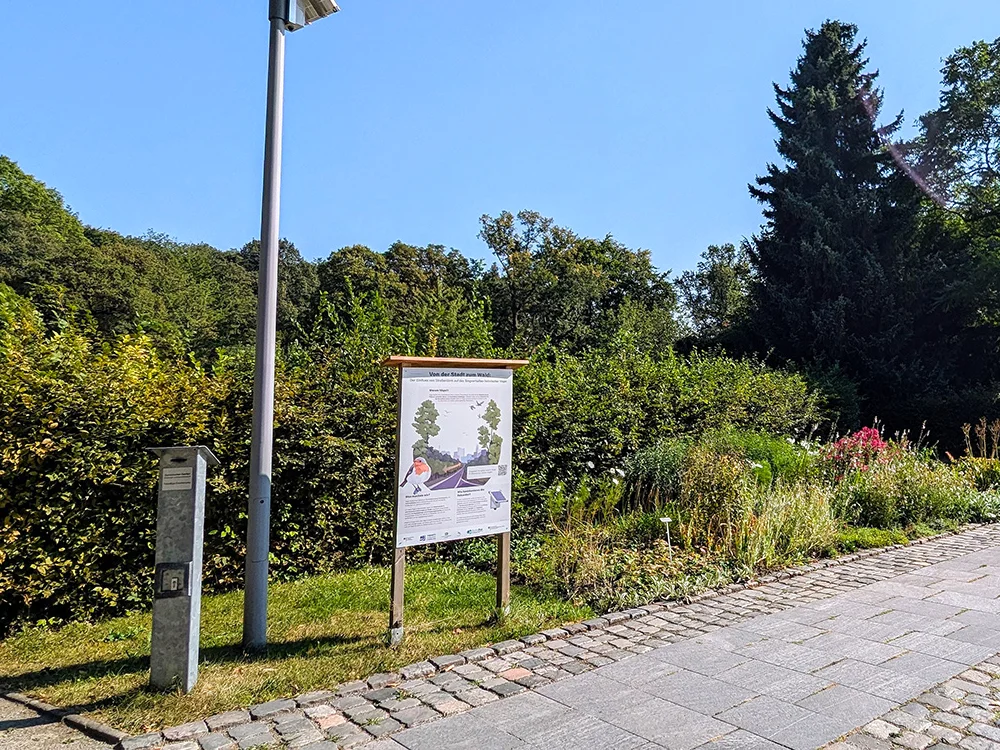
Infotafel mit QR-Code im Botanischen Garten

Project examples

Botanischer Garten Chemnitz

Chemnitz Botanical Garden

→ Making acoustic monitoring tangible with info panels and QR codes

  • House sparrow – calls
Sapsucker Woods Ithaca

Sapsucker Woods Ithaca

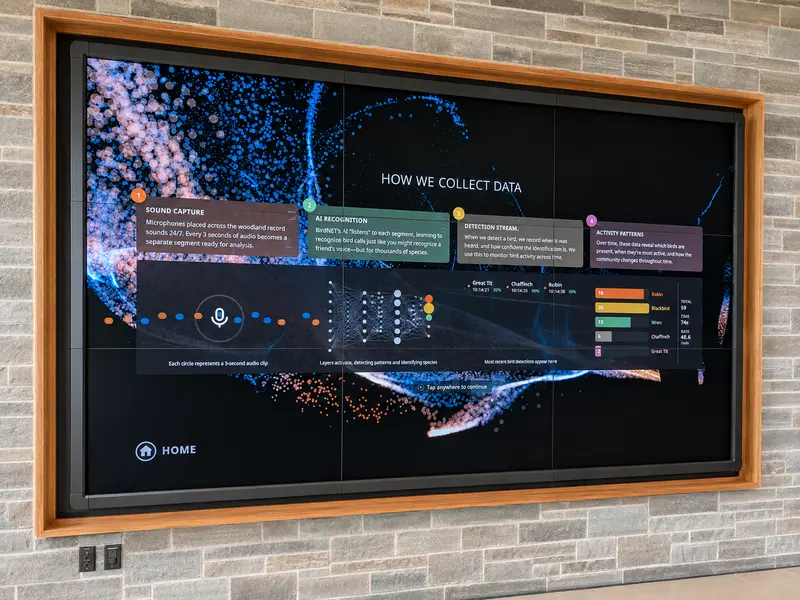
→ Presenting acoustic monitoring on screens in the visitor center

  • Blue jay – call
  • Spring peeper (frog) – call
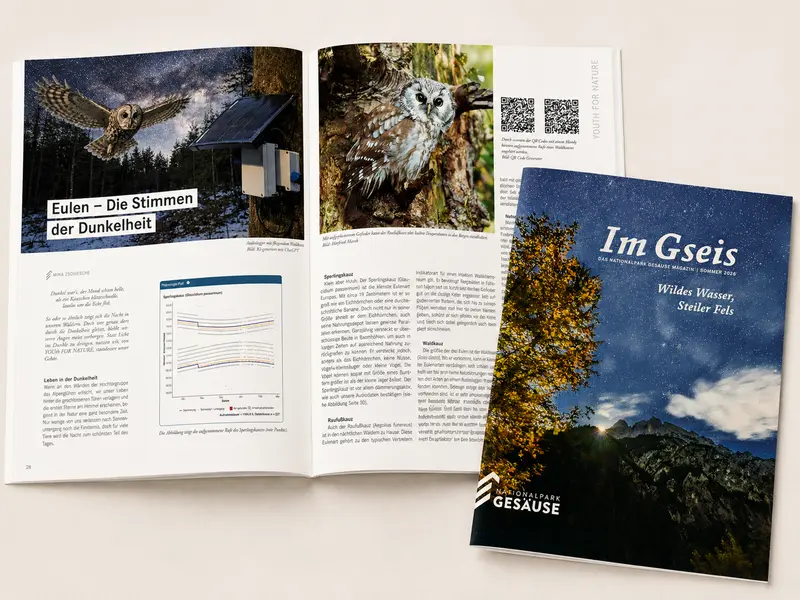
Nationalpark Gesäuse Österreich

Gesäuse National Park, Austria

→ Acoustic monitoring presented for a general audience

  • Eurasian pygmy owl – call
  • Tawny owl – call

Have a similar project in mind?

Tell us about your question – we'll let you know whether and how ecoPi could work for it.

↑