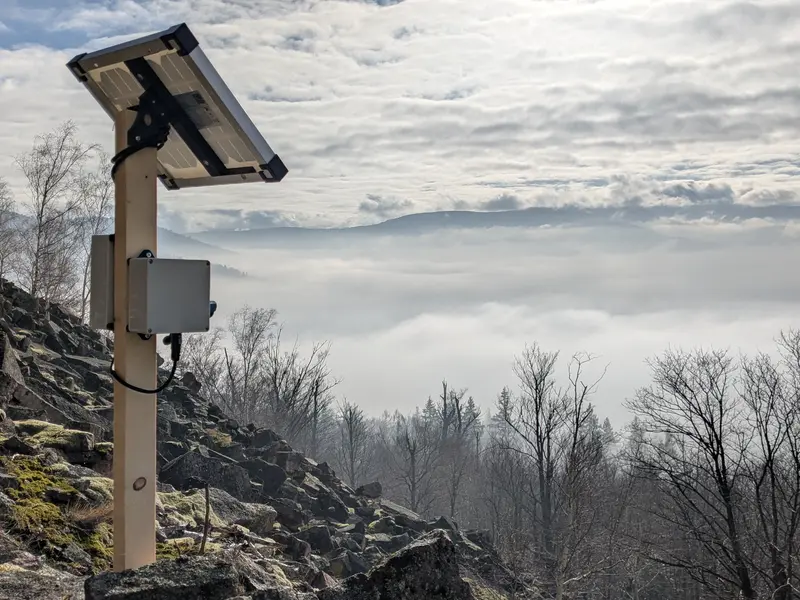
ecoPi-Rekorder mit Solarpaneel an einem Baumstamm im Wald

ecoPi.
The future of environmental monitoring

Intelligent collection and analysis of ecological data – autonomous in the field, AI-assisted, and available in near real time.

Automated monitoring

It's that simple!

  1. Configure Configure hardware for the project.
  2. Install Install and connect the ecoPi, battery & solar panel.
  3. Record Switches on automatically according to the chosen recording schedule.
  4. Analyse Direct on-site analysis on the ecoPi using AI models.
  5. Transmit Uploads the results once the recording is finished.
  6. Validate Data becomes available in the ecoPi dashboard.

The workflow in detail

Why ecoPi

What's possible with the ecoPi

  • Long-term recording at any number of sites

    Self-sufficient, continuous recording over weeks or months – even at hard-to-reach sites and across large study areas.
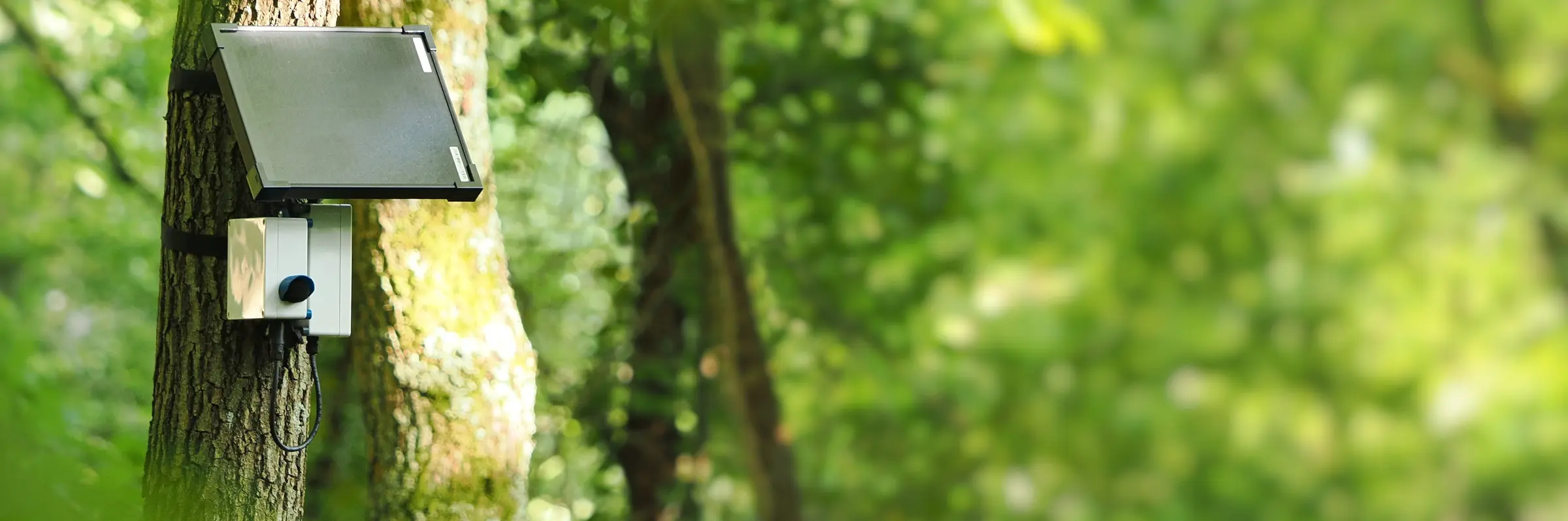
  • Use results directly

    AI analysis runs on the ecoPi, with results available in near real time – measures can be adjusted while the project is still running.

  • Get robust & reproducible data

    Every detection is verifiable, the methodology standardised – raw data and analyses remain traceable in the long term.

  • Flexibly configurable for your research question

    Sensors, recording times and AI models are matched to your project before or during deployment.

The technology behind it

ecoPi in use

Applications

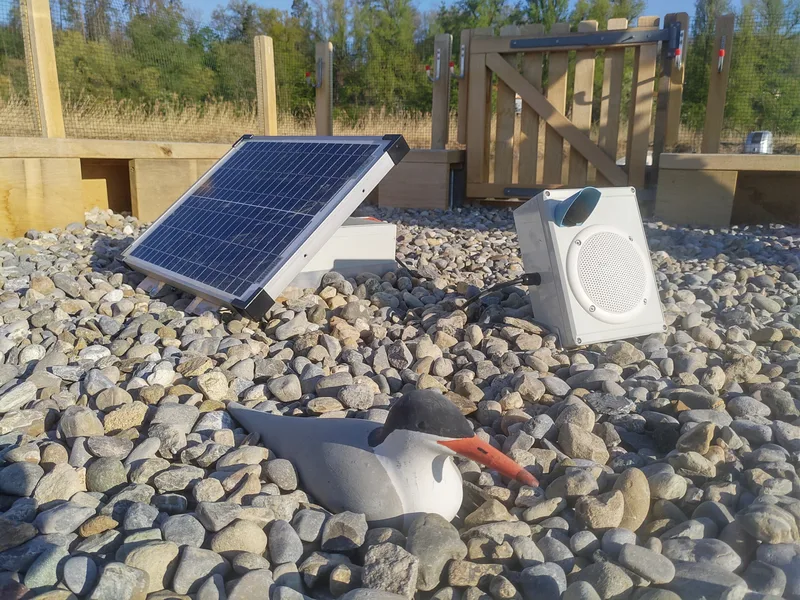
  • ecoPi-Rekorder im Feuchtgebiet

    Biodiversity monitoring

    Continuous acoustic recording at sites that are hard to reach or sensitive to disturbance, over weeks and months and largely without maintenance.
  • ecoPi-Rekorder im Auerhuhn-Habitat

    Wildlife management

    Live access to your data – ideal for the timely monitoring of results or time-critical measures such as visitor management or meadow mowing.
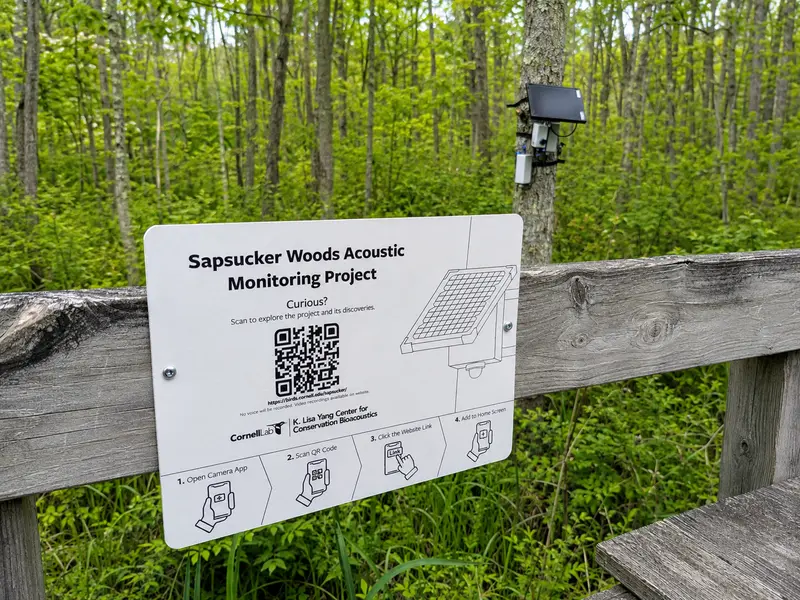
  • Infotafel mit QR-Code im Botanischen Garten

    Environmental education

    Making monitoring results tangible for the public, through info panels, screens in visitor centres, or your own website.

See project examples

ecoPi in the field

Projects worldwide Live

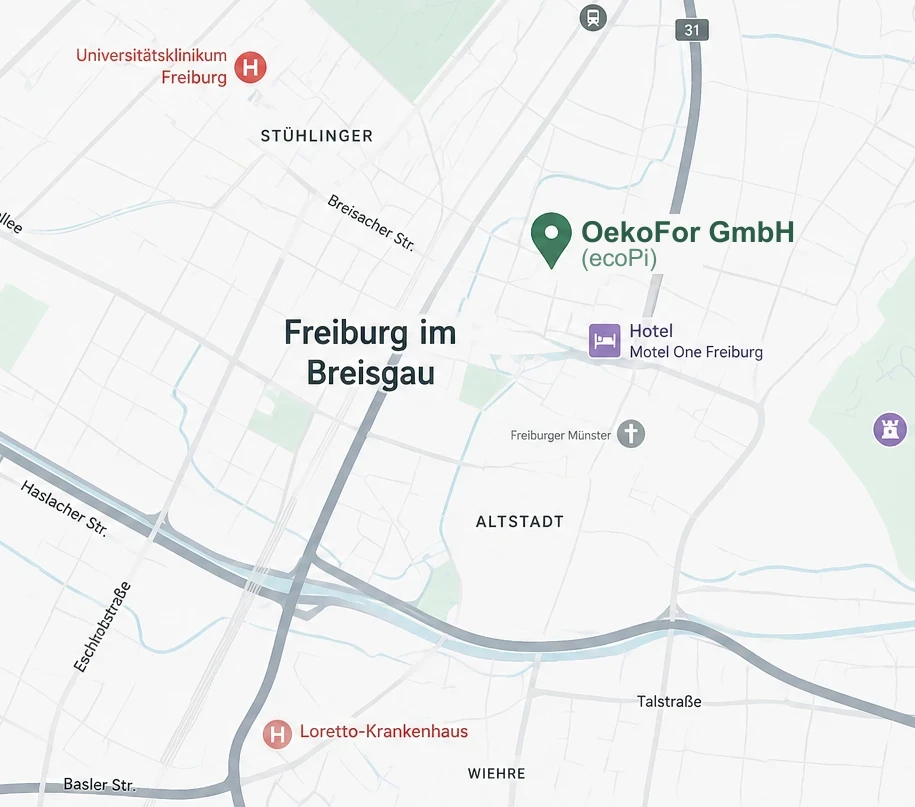
World map of the regions where ecoPi devices are deployed: 32 sites across 5 continents, plus 3 project sites in central Europe and the company office in Freiburg. Sites close together are combined into one group with a count. Exact coordinates are not published.


© MapTiler & OpenStreetMap contributors

Project partners

Regierungspräsidium Freiburg
Technische Universität Chemnitz
Cornell Lab of Ornithology – Cornell University
ZSW – Zentrum für Solarenergie- und Wasserstoff-Forschung
Regierungspräsidium Karlsruhe
Christian-Albrechts-Universität zu Kiel
Universität Kassel
Fraunhofer-Institut für Energiewirtschaft und Energiesystemtechnik
Julius-Maximilians-Universität Würzburg
Universität Aarhus
Martin-Luther-Universität Halle-Wittenberg
DDA – Dachverband Deutscher Avifaunisten
NABU Südbaden
NABU Baden-Württemberg
Nationalpark Bayerischer Wald
Schweizerische Vogelwarte
BirdLife Schweiz
LBV – Landesbund für Vogel- und Naturschutz in Bayern
Nationalpark Gesäuse Österreich
Biosphärengebiet Schwarzwald
Naturschutzzentrum Wurzacher Ried
LPO Alsace
4dignity e. V.
Stiftung Natur und Umwelt Rheinland-Pfalz
Naturforschende Gesellschaft Altenburg e. V.
ARSU GmbH – Arbeitsgruppe für regionale Struktur- und Umweltforschung
Orniplan AG
INULA GbR – Institut für Naturschutz und Landschaftsanalyse
SWILD – Stadtökologie, Wildtierforschung und Kommunikation
ABL Freiburg – Büro für Landschaftsökologie
WIGES – Wasserbauliche Infrastruktur mbH
Planungsgruppe Grün
Bundesamt für Naturschutz

Official scientific cooperation partner of BirdNET.

↑